Hainault Road Gardeners for Overgrown Backyards Seven Kings: A Practical Guide to Taking Back an Overgrown Garden
If your back yard has gone from "needs a tidy" to "where did the path go?", you are not alone. Overgrown outdoor spaces happen slowly, then all at once. One week the grass is a bit long; a month later there are brambles, self-seeded shrubs, tangled hedges, and a fence line you can barely see. That is exactly where Hainault Road Gardeners for Overgrown Backyards Seven Kings becomes useful: not just as a quick cut-back, but as a sensible way to restore safety, usability, and a bit of calm.
This guide explains what the service typically involves, how a proper clear-up should work, what to expect on the day, and how to choose the right level of help for your garden. It is written for homeowners, landlords, tenants, and anyone staring at a jungle outside and thinking, where do I even start?
Table of Contents
- Why Hainault Road Gardeners for Overgrown Backyards Seven Kings Matters
- How Hainault Road Gardeners for Overgrown Backyards Seven Kings Works
- Key Benefits and Practical Advantages
- Who This Is For and When It Makes Sense
- Step-by-Step Guidance
- Expert Tips for Better Results
- Common Mistakes to Avoid
- Tools, Resources and Recommendations
- Law, Compliance, Standards, or Best Practice
- Options, Methods, or Comparison Table
- Case Study or Real-World Example
- Practical Checklist
- Conclusion
- Frequently Asked Questions
Why Hainault Road Gardeners for Overgrown Backyards Seven Kings Matters
An overgrown backyard is more than a cosmetic issue. Sure, it looks untidy. But the bigger problem is what the growth hides. Wet leaves become slippery. Nettles and thorns make simple jobs painful. Sheds, drains, and fence bases can get boxed in. In the dark months, especially after a run of rain, a neglected garden can feel heavy and awkward rather than welcoming.
For many Seven Kings properties, outdoor space is limited, so every square metre matters. A compact garden can still function beautifully, but only if it is kept under control. Once growth takes hold, ordinary weekend tidying becomes a bigger physical job. That is why a structured clearance approach matters. It saves time, reduces risk, and stops the garden from turning into a long-term headache.
There is also a practical value side that people sometimes forget. A cleared garden is easier to maintain, easier to inspect, and easier to improve later. If you ever want to install fresh turf, rework borders, add a patio, or even consider one of the landscaping options, you need a clean base to work from. Otherwise, you are building on top of chaos. Not ideal, to be fair.
Expert summary: The real value of overgrown-backyard clearance is not just making the space look neat for a day. It is about turning a blocked, risky area into a garden you can actually use, maintain, and improve.
How Hainault Road Gardeners for Overgrown Backyards Seven Kings Works
A good overgrown-garden service is usually part assessment, part clearance, and part sensible follow-up. It should not be a rushed mow-and-go job. If the space is badly congested, the work often begins with identifying what is safe to cut immediately and what needs a slower, more careful approach.
In practice, the process often looks like this:
- Initial look around. The gardener checks access, thickness of growth, boundary lines, hidden debris, and any obvious hazards.
- Prioritising the hard stuff. Brambles, long grass, waist-high weeds, low branches, and dumped waste are usually dealt with first.
- Creating access paths. Clear routes are opened so the rest of the garden can be reached safely.
- Stripping back excess growth. Shrubs, hedges, and self-seeded plants may need selective cutting rather than a blanket trim.
- Clearing and bagging debris. Cuttings, branches, and waste are gathered so the garden does not look half-finished.
- Checking the finish. Edges, borders, and visible features are tidied so the space feels genuinely reset.
In a serious overgrowth job, the difference between success and frustration is sequencing. If you cut the top layer first without opening access, you can miss hidden rubbish, uneven paving, or a damaged fence panel. On the other hand, if you overthink every move, nothing gets done. The sweet spot is a calm, methodical cut-back with a clear plan.
Services like garden clearance and garden maintenance are often complementary here. Clearance gets the garden back under control; maintenance helps it stay that way. Simple, really. But it works.
Key Benefits and Practical Advantages
People often assume the benefit is just "a tidier garden." That is part of it, yes, but the practical gains go further.
- Safer movement: You can walk through the space without stepping over hidden cuttings, broken pots, or uneven patches.
- Better light and airflow: Once growth is reduced, the garden dries out more quickly and feels less damp.
- Easier ongoing upkeep: Once the heavy work is done, regular mowing and trimming become much simpler.
- Improved property presentation: A managed garden makes a house feel more cared for, inside and out.
- More usable outdoor space: Even a tiny back yard feels bigger when the edges are visible again.
- Less stress: This one is underrated. Looking at a neglected space every day can be surprisingly draining.
There is a very ordinary but important moment many people notice after a proper clear-up: you step outside with a cup of tea and realise you can see the full shape of the garden again. It sounds small. It is not small at all. That visual reset changes how you think about the space.
If the overgrowth has reached hedges, side returns, or the back fence, a specialist hedge trimming service can make a noticeable difference. And if trees are part of the problem, careful tree lopping and removal may be needed, especially where branches are shading the whole plot or pressing against structures.
Who This Is For and When It Makes Sense
This kind of service is not just for "extreme" gardens. It is for anyone whose outside space has outgrown their available time, tools, or energy. That could be a family garden that became unmanageable during a busy season. It could be a rental property between tenancies. It could be an elderly homeowner who has kept meaning to get to it, then life happened, as it does.
It makes sense when:
- grass and weeds have become too thick for a domestic mower
- hedges are spilling into paths or neighbouring boundaries
- the garden has been unused for several months
- you want to prepare the space for redesign or repairs
- you have inherited a property with a neglected outdoor area
- you need a fast turnaround before a sale, inspection, or new tenant moves in
Sometimes the trigger is simple embarrassment. You open the back door, look out, and shut it again. Truth be told, that is a sign the space has started affecting daily life. At that point, paying for help is not indulgent. It is sensible.
For bigger or more mixed projects, the wider services overview can help you understand how clearance, mowing, landscaping, and ongoing care fit together.
Step-by-Step Guidance
If you are planning a clean-up of an overgrown back yard, a clear sequence stops the job from becoming messy halfway through. Here is a practical way to think about it.
- Walk the space first. Look for glass, rubble, pet waste, sharp objects, unstable paving, standing water, and hidden skips of old waste.
- Decide the goal. Are you restoring access, preparing for sale, making it safe for children, or getting ready for future landscaping?
- Cut in layers. Start with the most obstructive growth, then move to shrubs, borders, and edges.
- Open visibility. Once paths, fences, and corners are visible again, the rest of the job becomes much easier.
- Remove waste as you go. A pile of cuttings can become a second problem very quickly.
- Finish with a reset tidy. A final pass on edges, paved areas, and visible lines gives the job a proper end point.
- Plan the follow-up. If you leave it there, the garden can rebound in no time. Set a maintenance routine while the space is still fresh.
One useful habit is to separate "must do now" from "can wait until next time." Not everything needs perfect treatment in the first visit. A cracked slab, a rotten sleeper, or a stubborn stump can be dealt with later. The first aim is often to reclaim the space and make it workable.
If there are wooden features, raised sections, or you later want a more structured outdoor layout, decking services can be part of a longer-term plan after the clear-up.
Expert Tips for Better Results
Here are the small details that make a big difference, especially in a backyard that has been left alone for a while.
- Start in dry weather if you can. Wet growth is heavier, clings to tools, and leaves the whole area more slippery.
- Do not mow blindly. Hidden branches, stones, and wire can damage equipment and create safety problems.
- Preserve the good structure. Old fruit trees, established shrubs, or healthy climbers may be worth keeping.
- Check what is actually weed growth. Some plants look messy but are worth salvaging, especially if they are filling an awkward gap.
- Think about long-term maintenance early. A garden that can be maintained monthly is better than one that needs another emergency clearance in six weeks.
Here is a small but real-world observation: many overgrown gardens are not "bad gardens", they are simply gardens that have missed a few seasons of attention. That matters because it changes how you approach them. You are not fixing a lost cause. You are restoring something that got away from its routine.
When the garden is back under control, a lighter recurring lawn mowing schedule and seasonal garden maintenance visits are usually far more effective than waiting until growth becomes a battle again.
Common Mistakes to Avoid
Overgrown gardens tempt people into rushed decisions. That is where trouble starts.
- Trying to do everything in one burst. If the growth is dense, fatigue leads to poor cuts and missed hazards.
- Leaving rubbish hidden in the borders. Old pots, broken fencing, and random waste can sit under growth for years.
- Cutting hedges too aggressively. A severe cut can leave bare patches or expose weak, damaged wood.
- Ignoring drainage problems. If water is pooling, the garden may look untidy again very quickly.
- Skipping the disposal plan. Clearing is only half the job if the waste then sits in bags for a week.
- Not thinking about the next visit. The garden will not stay tidy by magic. Sadly, no. If only.
Another mistake is over-clearing without a plan. Some people strip everything back and then realise they have removed the garden's structure, privacy, or useful planting. Better to be selective where possible. A neat garden should still feel like a garden, not a blank patch of regret.
Tools, Resources and Recommendations
You do not need a shed full of equipment to deal with an overgrown backyard, but the right tools make the work safer and cleaner. For light jobs, a sturdy shears pair, a rake, pruning tools, and strong waste sacks may be enough. For heavier growth, professional equipment is often more efficient and less physically punishing.
Useful tools and materials usually include:
- hand shears for soft growth and shaping
- loppers for thicker stems and woody stems
- strimmers for long grass and soft weeds
- pruning saws for denser branches
- protective gloves and sturdy footwear
- rakes, tarps, and sacks for collecting debris
- temporary markers or string for defining paths and edges
But tools are only part of the story. Planning matters more. A sensible workflow, good lighting, and enough time to finish the disposal are what keep a job manageable. If you are comparing help options, look at whether the work includes clear-up, waste handling, and follow-on advice, not just the visible cut-back.
For readers who care about responsible disposal and lower-impact gardening, the site's recycling and sustainability information is worth a look. It is also useful to understand the practical side of insurance and safety, especially if the job involves awkward access, heavy tools, or risky overgrowth close to structures.
Law, Compliance, Standards, or Best Practice
For domestic garden work in the UK, the main thing is to stay sensible, safe, and respectful of boundaries. If growth crosses into a neighbour's land, if a boundary hedge is involved, or if branches are overhanging, it is always better to handle the situation carefully and communicate clearly. Garden jobs can become awkward fast when assumptions are made.
There are also practical safety expectations that good gardeners follow even when a job is not formally regulated in the way a construction site is. That means using suitable protective gear, checking for hidden hazards, and not forcing tools through unknown material. If tree work is involved, extra caution is warranted because branches can fail unpredictably and heavy limbs can be deceptive.
Good practice also includes responsible waste handling, clear pricing expectations, and honest scoping. If a garden needs clearance, then clearance is what it needs. If it needs trimming, pruning, or longer-term reshaping, that should be said plainly. The best outcomes usually come from direct conversations and realistic expectations rather than promises of a "perfect" finish in one pass.
If you want to know how a provider frames service terms, the terms and conditions page is a useful reference point. For straightforward questions about service access or next steps, the contact page is the natural place to start.
Options, Methods, or Comparison Table
Not every overgrown garden needs the same approach. Here is a simple comparison that helps set expectations.
| Approach | Best for | Strengths | Limitations |
|---|---|---|---|
| Light tidy-up | Thin weeds, slightly long grass, mild hedge growth | Fast, low disruption, good for routine upkeep | Not enough for dense brambles or neglected plots |
| Full garden clearance | Heavy overgrowth, blocked access, neglected back yards | Restores usable space quickly, clears hidden debris | More labour-heavy, may need disposal planning |
| Clearance plus maintenance | Gardens that need a reset and then ongoing care | Keeps the space manageable after the initial work | Requires commitment to follow-up visits |
| Clearance plus landscaping | Gardens being redesigned or improved after the reset | Transforms the space rather than simply cleaning it | Usually takes longer and needs a broader plan |
If your yard is mainly blocked by growth and clutter, start with clearance. If the space is already visible but just slipping backwards, maintenance may be enough. And if you are tired of redoing the same messy patch every year, it may be time to think beyond cleaning and into landscape gardening.
Case Study or Real-World Example
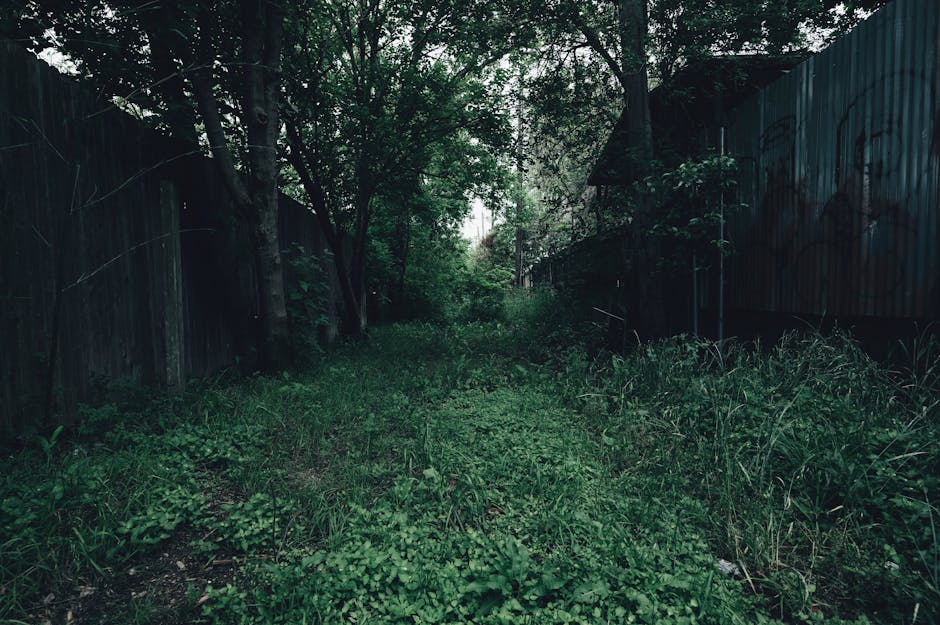
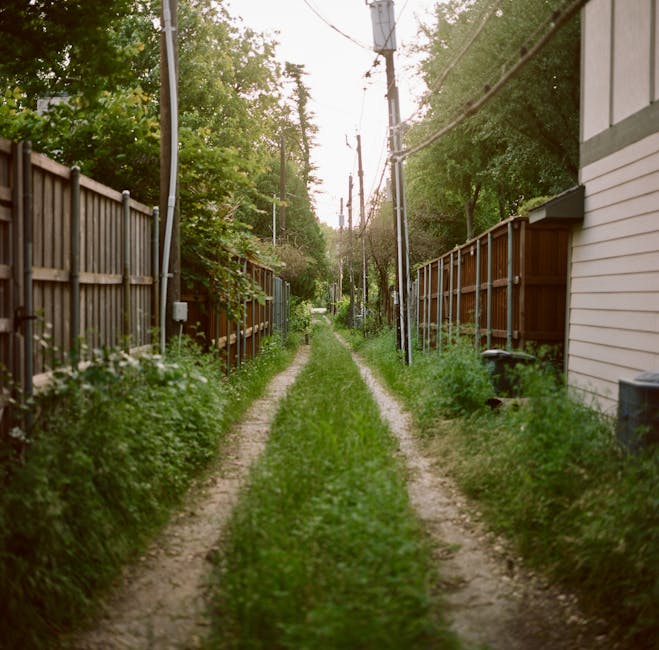
Picture a typical Seven Kings back yard in late spring. The lawn has become patchy. A hedge has crept over one side. Two borders are full of self-set weeds, and there is a narrow run down the side that has effectively disappeared. The owner has not ignored it on purpose; work and family just kept pushing the job back. Happens all the time.
On the first visit, the priority would be access. Clear the main route, remove the tallest growth, and expose what is hiding underneath. Once the space is visible, the real choices appear: which shrubs stay, which areas need deeper cutting, and whether the garden should be maintained as-is or reworked later. The difference after a single proper tidy-up can be startling. The yard does not need to be "finished" to feel like yours again.
That is the practical value of a focused overgrown-garden service. It turns a job you keep avoiding into something manageable. And once the space is open again, people usually start seeing possibilities rather than problems. A patio corner. A small seating area. A neater path. Maybe even, dare I say, a garden you want to spend time in.
Practical Checklist
Before arranging help, use this checklist to get clear on what your garden needs.
- Walk the garden and note blocked areas
- Check for hidden waste, broken items, and sharp debris
- Identify whether the issue is grass, weeds, hedges, shrubs, or trees
- Decide whether you need clearance, maintenance, or both
- Look at access points for tools and waste removal
- Think about pets, children, or neighbour boundaries
- Take a few photos if the growth is extensive
- Set a goal: safe access, full reset, or preparation for redesign
- Ask about waste handling and the likely follow-up needs
- Plan the next maintenance visit before the garden rebounds
Quick take: the best results come when you treat overgrown-backyard work as a process, not a single cut. Clear, assess, tidy, then maintain. That order saves time and usually saves money too.
Conclusion
Hainault Road Gardeners for Overgrown Backyards Seven Kings is really about one thing: helping you reclaim a space that has become difficult to use. Whether the problem is long grass, tangled hedges, hidden clutter, or a garden that has simply been left too long, the right approach brings back visibility, safety, and breathing room.
Once the heavy work is done, the garden starts to feel useful again. That is the shift most people want. Not perfection. Just a space that looks cared for, works properly, and does not greet you with a wall of green every time you open the back door.
If you are weighing up your next move, start with a clear assessment of the space, choose the level of help that matches the mess, and think a little beyond the first tidy-up. Gardens respond well to steady attention. They really do.
Get a free quote today and see how much you can save.
Frequently Asked Questions
What counts as an overgrown backyard?
An overgrown backyard is any outdoor space where grass, weeds, shrubs, hedges, or debris have spread enough to block normal use or make upkeep difficult. If you cannot move through it comfortably, it probably needs attention.
How long does it take to clear an overgrown garden?
It depends on access, size, and how dense the growth is. A small but heavily tangled garden can take longer than a larger, lighter one. The key variable is not just size; it is how much hidden material sits underneath.
Do I need full garden clearance or just maintenance?
If the space is badly blocked or cluttered, start with clearance. If the garden is already fairly open but needs regular control, maintenance is likely enough. Some gardens need both, one after the other.
Can an overgrown garden be cleared in one visit?
Sometimes, yes. But if the garden is very dense, contains waste, or has damaged features, it may be better to split the work into stages. That is often cleaner and safer.
What should I do before the gardener arrives?
If possible, remove personal items, unlock access gates, and point out any hazards such as broken glass, unstable paving, or areas you want preserved. A quick walk-through at the start helps a lot.
Will clearing an overgrown garden damage plants I want to keep?
It should not, if the job is assessed properly. Good practice is to identify valuable shrubs, trees, climbers, and borders before cutting begins. A careful approach matters more than brute force.
Is hedge trimming part of overgrown-backyard work?
Often, yes. Overgrown hedges are a common part of the problem and may need separate attention if they are thick, tall, or spilling into walkways. Sometimes a hedge is the main reason the garden feels closed in.
What if my garden has tree branches causing the overgrowth?
Tree work may be needed if branches are shading the whole space, dropping heavy debris, or encroaching on structures. In those cases, a more careful assessment is sensible before any cutting begins.
How can I stop the garden getting overgrown again?
Regular mowing, seasonal trimming, and a simple maintenance plan are the best defence. The answer is rarely "one giant tidy-up every year"; a lighter, steady routine usually works better.
Can a cleared garden be turned into a better layout later?
Absolutely. In fact, clearance is often the first step before redesigning borders, adding paving, improving access, or planning features like decking. Once the space is open, options become much clearer.
Are there safety concerns with clearing dense growth myself?
Yes. Hidden glass, uneven ground, sharp branches, insect nests, and slipped footing are common issues in neglected gardens. If the area is very thick, awkward, or hard to inspect, professional help is usually the safer route.
Where can I learn more about the wider service options?
It helps to look at the available service overview and related pages such as garden clearance and garden maintenance. That gives you a clearer picture of what kind of support fits your garden best.