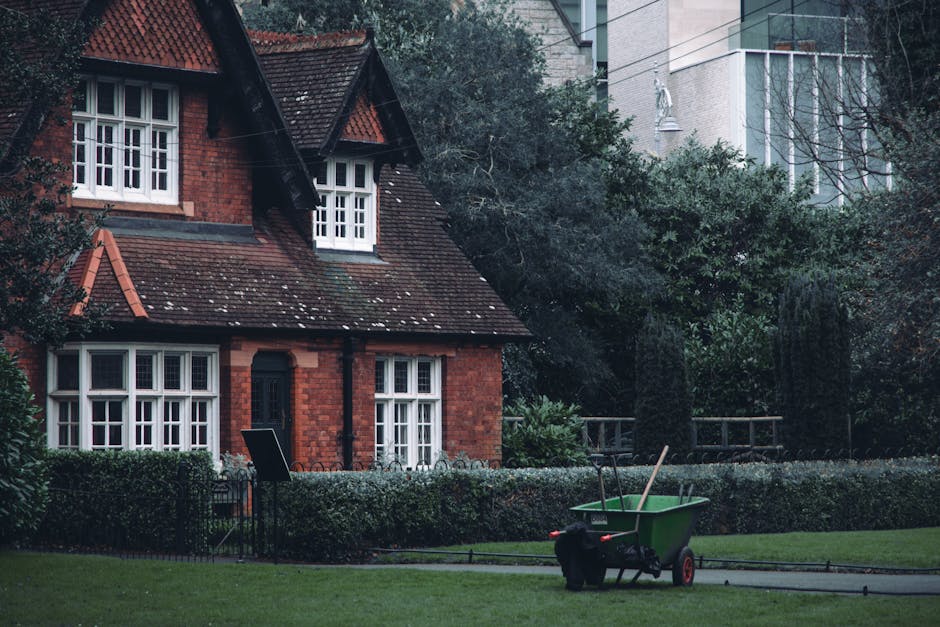
IG3 Garden Maintenance Guide for Ilford High Road Homes
Gardens on and around Ilford High Road do not always give you the luxury of space, time, or perfect growing conditions. Some are narrow, some are shaded by neighbouring buildings, and some have just enough room to become either a pleasant retreat or a constant headache. This IG3 Garden Maintenance Guide for Ilford High Road Homes is designed to help you keep things manageable, tidy, and genuinely usable without turning every weekend into a second job.
Whether you own the property, rent it, manage a small portfolio, or simply want the front garden to stop looking like it has declared independence, the basics are the same: good planning, regular upkeep, and a clear sense of what matters most in a busy London setting. Truth be told, the best-looking gardens are rarely the most complicated ones. They are the ones that get looked after steadily.
In this guide, you will find practical steps, seasonal priorities, common mistakes, and a sensible way to think about garden maintenance in IG3. You will also see when it makes sense to bring in professional support, and what to expect if you do. If you want a fuller view of available support, a good starting point is the services overview, along with the company's about us page for background and approach.
Quick takeaway: For Ilford High Road homes, the winning formula is simple: stay on top of weeds, cutting, waste removal, and seasonal plant care before small jobs become expensive ones.
Table of Contents
- Why IG3 Garden Maintenance Guide for Ilford High Road Homes Matters
- How IG3 Garden Maintenance Guide for Ilford High Road Homes Works
- Key Benefits and Practical Advantages
- Who This Is For and When It Makes Sense
- Step-by-Step Guidance
- Expert Tips for Better Results
- Common Mistakes to Avoid
- Tools, Resources and Recommendations
- Law, Compliance, Standards, or Best Practice
- Options, Methods, or Comparison Table
- Case Study or Real-World Example
- Practical Checklist
- Conclusion
- Frequently Asked Questions
Why IG3 Garden Maintenance Guide for Ilford High Road Homes Matters
Gardens in IG3 often face a mix of pressures that people underestimate until the mess starts creeping in. High-footfall streets, changing weather, compact plots, shared boundaries, and limited storage for tools all affect how a garden behaves over time. Add in the usual London realities-dust, pollution, compacted soil, a few opportunistic weeds, and the occasional overenthusiastic hedge-and you have a space that needs regular attention, not just the odd tidy-up.
For homes near Ilford High Road, garden maintenance is not only about appearance. It affects access, safety, privacy, drainage, and how pleasant the property feels from the moment someone steps through the gate. A front garden that is trimmed, swept, and planted sensibly can lift the whole street presence of a home. Back gardens matter just as much, especially where families want a usable outdoor area that does not become overgrown by late spring.
There is also a practical angle. Overgrown borders can harbour pests, block drainage paths, make paths slippery, and create avoidable trip hazards. A small bit of neglect in March can become a big bit of regret by August. That sounds dramatic, but anyone who has wrestled with waist-high brambles knows it is not much of a stretch.
Good maintenance also helps protect plant health. Regular pruning, deadheading, feeding, and soil care are not glamorous tasks, but they make a visible difference. You will notice more consistent growth, fewer bare patches, and better resistance to stress during dry spells or cold snaps.
How IG3 Garden Maintenance Guide for Ilford High Road Homes Works
Think of garden maintenance as a repeating cycle rather than a one-off project. In a typical IG3 home, the work usually falls into a rhythm: inspection, clearing, cutting, shaping, feeding, and tidying. That rhythm changes with the seasons, but the principle stays the same. You assess what is happening now, deal with the urgent jobs first, and then maintain the space before things drift out of control.
For most residential gardens, the process begins with a simple walk-through. Look at the lawn, borders, hedges, pots, paving, fences, and any problem spots such as shaded corners or drainage-prone areas. Then decide what needs immediate action and what can wait. It sounds basic, because it is. Basic, done well, is often what keeps a garden looking calm instead of chaotic.
In practice, the maintenance cycle may include:
- Grass cutting and edging
- Weeding and border clearance
- Hedge trimming and shrub shaping
- Seasonal planting or replanting
- Leaf clearance and general tidying
- Pressure-safe cleaning of paths and patios where suitable
- Green waste collection and responsible disposal
For some homes, this is a weekly or fortnightly routine. For others, especially smaller properties or low-maintenance designs, monthly visits may be enough. A professional provider can tailor the frequency, which is where a clear pricing and quotes page becomes useful for comparing service levels rather than guessing blindly.
One thing worth saying plainly: not every garden needs the same treatment. A shaded terrace garden with containers behaves very differently from a long rear lawn with mature shrubs. Good maintenance respects that difference instead of forcing everything into a one-size-fits-all plan.
Key Benefits and Practical Advantages
A well-kept garden delivers more than a neat photograph for the estate agent. There are practical benefits that matter day to day, especially in a busy residential area like IG3.
- Better first impressions: A tidy front garden makes the property feel cared for and lived-in rather than neglected.
- Safer movement: Clear paths, trimmed edges, and reduced debris lower the chance of slips, trips, and awkward scrapes.
- Healthier plants: Regular pruning and feeding help shrubs, lawns, and bedding plants stay resilient.
- Less expensive recovery work: Routine maintenance is usually far easier than rescuing a garden that has been left untouched for months.
- More usable outdoor space: Families can actually sit, play, store items, or dry washing without navigating a jungle.
- Improved neighbour relations: Overgrown hedges and spreading weeds can create friction, so a tidy garden can quietly avoid a few conversations nobody enjoys.
There is a less obvious benefit too: mental ease. When the outside space is under control, the home feels lighter. You stop noticing the same half-dead planter every time you open the back door. That may sound small, but small things add up. A garden should feel like part of the home, not a warning sign.
For landlords and property managers, maintenance also helps protect the asset. Tenants are more likely to respect a well-kept space, and routine upkeep can help avoid repair issues that develop when planting beds, drains, or boundary areas are ignored.
Who This Is For and When It Makes Sense
This guide is for anyone responsible for a garden in or near Ilford High Road who wants practical results without unnecessary fuss. That includes homeowners, landlords, tenants with gardening responsibilities, block managers, and people who have inherited a garden that has quietly become a full-time project.
It makes sense to pay close attention if you are in any of these situations:
- You have a front garden that affects kerb appeal and daily access.
- You have a rear garden that is becoming difficult to use.
- You are preparing a property for sale or new tenants.
- You are tired of weekend gardening eating into family time.
- You have a hedge, lawn, or mature planting that needs regular professional care.
- You need a reliable seasonal tidy-up before spring or autumn.
If you are deciding whether to manage it yourself or hire help, be honest about your time, physical comfort, and equipment. Garden maintenance is one of those jobs that looks simple until you are the one pulling weeds in drizzle while the lawn mower refuses to start. Been there, regrettably.
Professional support often makes the most sense when the garden has more than routine upkeep needs, when access is awkward, or when you need predictable quality. If you are still comparing options, the services overview can help you understand what a maintenance package typically covers before you commit to anything.
Step-by-Step Guidance
Here is a practical, homeowner-friendly approach to garden maintenance that works well for many IG3 properties.
1. Start with a proper inspection
Walk the garden slowly. Check for weeds, broken stems, brown patches, overgrown edges, standing water, and anything that is touching walls, fences, or windows. Notice where the light falls, where the soil stays damp, and where foot traffic is wearing pathways down. A good inspection saves time later.
2. Clear the obvious debris first
Pick up litter, fallen branches, dead leaves, and anything blocking access. It is a simple job, but it changes how the space feels instantly. You can actually see what needs doing once the surface clutter is gone.
3. Tackle weeds before they seed
Weeds are easier to control when they are small. Remove them from borders, cracks, and paving joints early. If you leave them too long, they become a bigger job and can spread into places that are a pain to reach. In our experience, this is the job people most often regret putting off.
4. Cut and shape with purpose
Grass should be cut to a sensible height for the season, not scalped in one heroic session. Hedges and shrubs should be shaped gradually rather than hacked back all at once. A steady hand usually produces better results and less plant shock.
5. Check plant health and soil condition
Look for yellowing leaves, sparse growth, pest damage, or compacted soil. If plants are struggling, the problem may be water, light, nutrition, or root space. Sometimes the answer is not "more treatment" but "better placement."
6. Mulch or feed where appropriate
Mulching can help retain moisture and suppress weeds. Feeding may support growth during the active season. Do not overdo it. More fertiliser is not always better, despite what some packet instructions imply in cheerful, overconfident language.
7. Finish with a final tidy
Rake, sweep, collect waste, and edge paths or lawn borders if needed. The final ten percent of effort often creates half the visual improvement. It is the difference between "done" and "properly done."
If the garden needs recurring visits, set a realistic schedule rather than waiting until everything looks desperate. A regular rhythm saves money, stress, and hard labour.
Expert Tips for Better Results
Small decisions make a big difference in residential garden care. Here are a few that consistently help.
- Use the weather to your advantage: Prune and mow when conditions are dry enough to avoid clumping and tearing.
- Think in layers: Front-facing areas, high-traffic paths, and seating spaces deserve the most attention because they shape the experience of the whole garden.
- Choose plants that suit the site: A thirsty sun-lover in a shaded north-facing bed will struggle, no matter how often you fuss over it.
- Keep a simple seasonal routine: Spring planting, summer watering, autumn leaf clearing, winter inspection. Nothing fancy.
- Store tools somewhere dry: Rusty secateurs and blunt blades are a false economy. They make the work harder and the cut worse.
- Do less, more often: That sounds boring, but it is usually the smartest approach for London homes with limited space.
One practical tip many people overlook is edge control. A neatly edged lawn and border can make a modest garden look cared for even when the planting is fairly simple. It is a small detail, but it carries weight.
And yes, sometimes the garden just needs a bit of courage and twenty uninterrupted minutes. Not glamorous, but effective.
Common Mistakes to Avoid
Most garden problems in residential settings come from a few very normal mistakes. Nothing dramatic. Just the kind of things that quietly snowball.
- Letting weeds go to seed: That turns one problem into many.
- Overcutting grass: Shorter is not always better, especially during dry or hot spells.
- Pruning too heavily at the wrong time: Some shrubs do not recover quickly from severe cutting.
- Ignoring drainage issues: Water pooling near paths or borders can damage plants and surfaces.
- Using the wrong tools: A blunt blade can shred instead of cut, which is rough on plants.
- Mixing up tidy and healthy: A garden can look neat but still be suffering underneath if soil, watering, or light conditions are off.
- Leaving waste in bags too long: Green waste starts to smell and become messy fast, especially in warmer weather.
Another common mistake is assuming maintenance is only for spring and summer. In reality, autumn and winter are where a lot of the useful prep work happens. Remove debris, protect delicate plants, and sort out structural issues while the garden is quieter.
Tools, Resources and Recommendations
You do not need a shed full of expensive kit to keep an IG3 garden under control. A sensible set of tools will do more good than a drawer full of gadgets you barely remember buying.
| Tool or resource | Best use | Why it helps |
|---|---|---|
| Hand trowel and weeder | Borders, pots, tight spaces | Useful for precise jobs where bigger tools are awkward |
| Secateurs | Small stems, deadheading, light pruning | Cleaner cuts help plants recover better |
| Hedge trimmer or shears | Hedges and shaped shrubs | Keeps boundaries neat and manageable |
| Rake and stiff broom | Leaves, debris, patio tidying | Fast way to restore order after wind or seasonal drop |
| Wheelbarrow or garden bags | Waste movement | Makes clearance quicker and less exhausting |
| Gloves and sturdy footwear | General maintenance | Protects hands and feet from cuts, splinters, and damp ground |
For many homes, the real resource is not the tool itself but the routine. A calendar reminder, a simple maintenance log, or a recurring visit schedule can do more for the garden than a fancy new mower. If you are comparing professional support, look closely at whether the provider includes green waste handling, regular resets, and seasonal adjustments. Those details matter.
Where sustainability matters to you, it is worth reviewing the company's recycling and sustainability information. It gives a clearer idea of how green waste and responsible practices are handled, which is increasingly important for many homeowners.
Law, Compliance, Standards, or Best Practice
For most domestic gardens, the main legal and practical concerns are common-sense ones: safety, access, nuisance, waste handling, and responsible work practices. You do not need to become a compliance expert, but you do want to avoid obvious risks.
If work involves ladders, power tools, heavy lifting, or access near awkward boundaries, safety procedures matter. Reputable providers should be able to explain how they handle risk, insurance, and site safety in plain English. You can usually get a good sense of this from pages such as health and safety policy and insurance and safety.
Best practice also means:
- Keeping pathways clear during work
- Using tools appropriately and maintaining them well
- Managing waste without blocking shared access
- Avoiding damage to fences, walls, lights, or pipework
- Respecting neighbours' boundaries and privacy
If you live in a shared property or manage rented accommodation, it is sensible to agree in advance who is responsible for what. That avoids confusion later, especially if the garden is used by multiple households or has shared access points.
Finally, be cautious with anything that sounds overly definitive. Local conditions, property layouts, and plant types vary a lot. Good garden care is built on judgement, not slogans.
Options, Methods, or Comparison Table
Most IG3 homeowners end up choosing between three broad approaches: DIY maintenance, occasional tidy-ups, or regular professional visits. Each has its place.
| Approach | Best for | Pros | Trade-offs |
|---|---|---|---|
| DIY maintenance | Small, simple gardens and confident gardeners | Lower direct cost, complete control | Takes time, requires tools, easy to delay |
| Occasional tidy-up | Busy households or gardens that only need periodic resets | Good for seasonal work, flexible | Can become reactive if left too long |
| Regular professional maintenance | Homes needing consistent presentation and reliable upkeep | Predictable, thorough, less stress | Higher ongoing commitment |
If you are unsure which route fits your home, ask yourself one simple question: do you want to manage the garden, or do you want it reliably managed for you? That distinction saves a lot of dithering. And yes, dithering is one of the biggest causes of overgrown borders.
In many cases, a hybrid approach works best. You may handle light watering and pot care yourself while booking professional help for hedges, pruning, or seasonal clearances. That balance can be practical and cost-aware.
Case Study or Real-World Example
Here is a realistic example based on the kind of garden many people in IG3 recognise. A terraced home near Ilford High Road had a narrow rear garden with a patchy lawn, two overgrown shrubs, a few cracked paving joints full of weeds, and a collection of pots that had become more "storage" than planting.
The homeowner was not trying to create a show garden. They just wanted the space to stop feeling like a task every time they opened the back door.
The maintenance plan was straightforward:
- Clear all debris and old plant material
- Remove weeds from paving and borders
- Cut back shrubs gradually rather than heavily
- Improve the lawn edge and mow at a sensible height
- Reset the pots with a few healthier, easier plants
- Remove waste and leave the space fully tidy
Within a short cycle of regular upkeep, the garden became usable again. Nothing dramatic. No miracle transformation, no glossy magazine fantasy. Just a cleaner, calmer outdoor space that could be enjoyed on an ordinary weekday evening with a cup of tea and a bit of peace.
The real lesson? You do not always need a major redesign. Often, what a garden needs most is steady attention and a realistic plan.
Practical Checklist
Use this simple checklist to keep your IG3 garden on track through the year.
- Inspect borders, paths, fences, and planting areas
- Remove litter, dead growth, and fallen debris
- Weed beds, paving joints, and edges
- Mow lawns at a suitable seasonal height
- Trim hedges and shrubs before they become unruly
- Deadhead flowers and remove damaged leaves
- Check drainage and standing water after heavy rain
- Feed or mulch where the soil needs support
- Store tools dry and keep blades sharp
- Arrange green waste removal or recycling
- Schedule the next maintenance visit before the garden slips backwards
It is a simple list, but that is the point. The garden usually improves when you stay consistent, not when you wait for a perfect free Saturday that may never arrive.
Conclusion
The best approach to garden care in IG3 is practical, regular, and honest about the realities of London living. Space is often limited. Time is often short. Weather can change the plan in an instant. But with the right routine, even a modest Ilford High Road garden can stay neat, healthy, and genuinely enjoyable.
Use the steps in this guide to decide what needs doing now, what can wait, and where professional help would save time or prevent bigger problems later. If you want to understand the service options in more detail, revisit the services overview, and if you are weighing up next steps, the pricing and quotes information can help you make a sensible comparison.
Get a free quote today and see how much you can save.
And if all you take from this guide is one thing, let it be this: a garden does not need to be perfect to be beautiful. It just needs care, consistency, and a bit of attention before the weeds get ideas above their station.
Frequently Asked Questions
How often should garden maintenance be done for an IG3 home?
For many homes, light maintenance works best weekly or fortnightly during the growing season, then less often in winter. The right schedule depends on garden size, planting density, and how fast the space grows back after each visit.
What is included in regular garden maintenance?
Typical maintenance includes mowing, edging, weeding, hedge trimming, pruning, clearing leaves, tidying borders, and removing green waste. Some visits may also include seasonal planting, pot care, and light path or patio cleaning.
Is it better to hire a gardener or do it myself?
If your garden is small, simple, and you enjoy the work, DIY can be fine. If time is tight, the garden is overgrown, or you want dependable results, professional help is often the easier option. Be fair with yourself about what you will actually keep up with.
When is the best time to start garden maintenance in Ilford?
Spring is a natural reset point, but maintenance should not wait that long if the garden is already slipping. The best time is usually now, especially if weeds, dead growth, or safety issues are starting to build up.
How do I keep a front garden looking tidy with minimal effort?
Focus on the visible basics: edging, weed removal, container plants, and a simple cutting routine. A few well-kept plants often look better than a crowded border that is hard to maintain.
What should I do with green waste after maintenance?
Green waste should be collected and disposed of responsibly. Some gardeners handle this as part of the service, which is useful if you do not want bags sitting around waiting for a spare tip run.
Are there safety concerns with garden maintenance?
Yes. Slips, cuts, tool injuries, and trips are the common ones. If work involves ladders, power equipment, or difficult access, safety procedures matter. It is sensible to check that the provider takes health and safety seriously.
How can I tell if my hedge or shrub needs professional pruning?
If it is blocking light, growing into pathways, becoming woody and tangled, or showing poor shape after repeated light trims, it may need proper pruning. Some plants also respond better to seasonal cuts done at the right time rather than constant clipping.
Does regular maintenance help property value or rental appeal?
It can help with presentation, first impressions, and overall care signals. A tidy garden rarely hurts a property, and in many cases it makes the home feel more looked after and easier to move into or live with.
How do I choose the right maintenance service?
Look for clear service descriptions, sensible pricing, good communication, and a practical approach to safety and waste handling. Trustworthiness matters. So does whether the service actually fits the kind of garden you have.
What if my garden is already badly overgrown?
That is more common than people admit. Start with a clearance visit, then move to a regular maintenance plan so the garden does not bounce back into chaos. The first step is usually the hardest one.
Can a small London garden still benefit from regular maintenance?
Absolutely. Small gardens often benefit the most because clutter, weeds, and uneven growth show up quickly in tight spaces. A little consistent care can make a compact garden feel twice as usable.
Contact the team if you want to discuss the right maintenance approach for your home, ask about a one-off tidy-up, or plan a regular visit that fits your schedule.