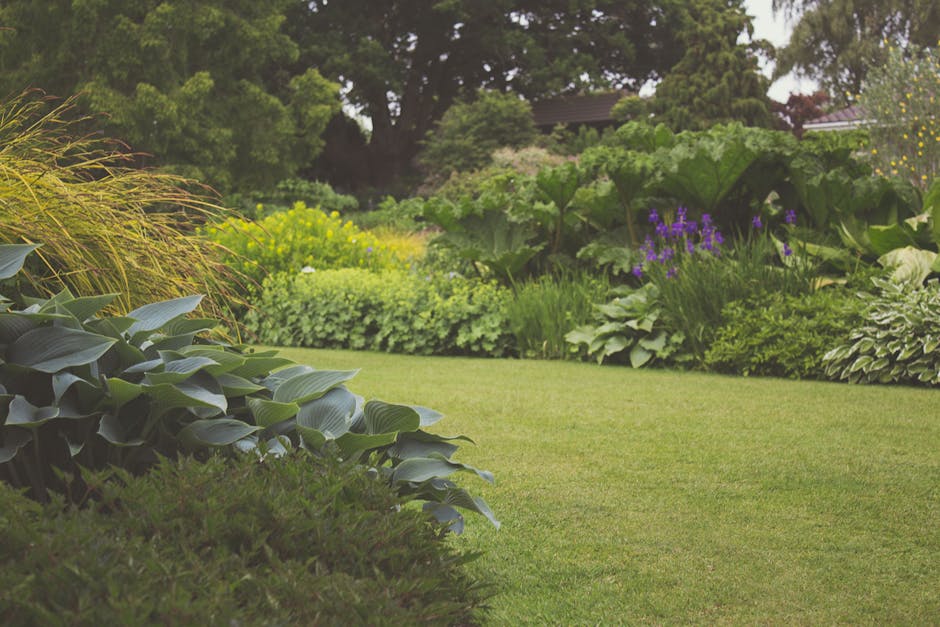
Valentines Park Gardeners and Planting Tips Seven Kings
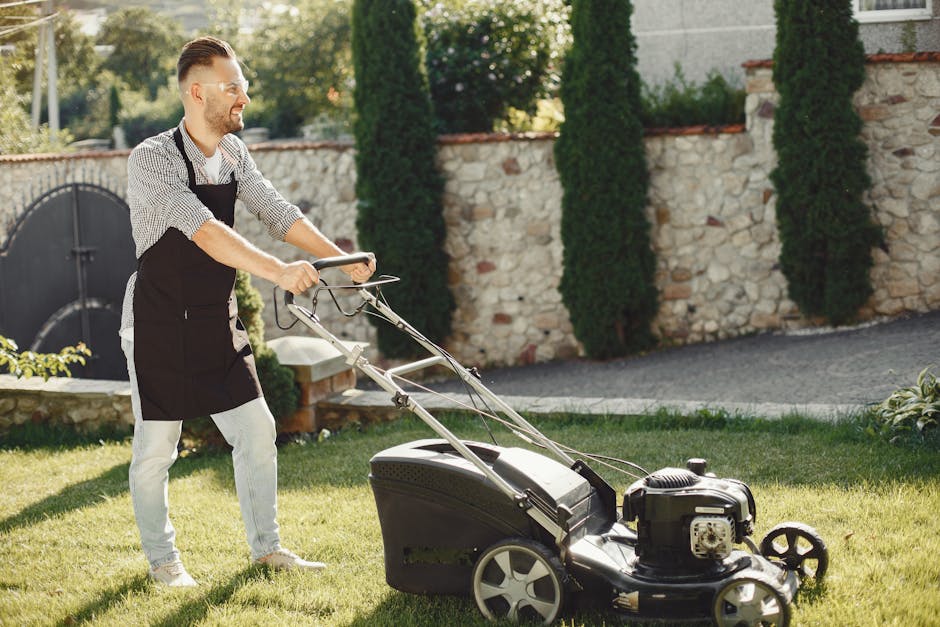
If you are trying to make sense of Valentines Park Gardeners and Planting Tips Seven Kings, you are probably looking for two things at once: reliable garden help and planting advice that actually works in a local East London setting. Fair enough. A garden in and around Seven Kings has its own rhythm - shaded corners, compact plots, busy front gardens, and soil that can be a bit unpredictable after wet spells and dry ones. The right planting approach can save you money, time, and a fair bit of frustration.
This guide brings together practical planting tips, realistic gardening know-how, and a local-minded approach to care and maintenance. It is written for homeowners, landlords, renters with a patch of soil, and anyone who wants better results without turning gardening into a second job. Along the way, you will also find useful service links for when you need support with ongoing garden maintenance, landscaping, or a more involved refresh.
Let's keep it simple: good planting is rarely about fancy plants. It is about the right plant, in the right place, with the right aftercare. Miss one of those, and even a nice-looking border can go downhill fast. Get them lined up, though, and the whole garden starts to feel easier. Calmer too.
- Why this matters locally
- How the approach works
- Benefits and practical advantages
- Who it is for
- Step-by-step planting guidance
- Expert tips for stronger results
- Mistakes to avoid
- Tools and recommendations
- Best practice, safety, and standards
- Methods and comparison
- Real-world example
- Checklist
- Conclusion
- FAQs
Why Valentines Park Gardeners and Planting Tips Seven Kings Matters
In a neighbourhood like Seven Kings, planting decisions are not just about looks. They affect how manageable your garden feels through spring growth, summer dryness, autumn leaf drop, and the slow, slightly damp stretch of winter. A planting scheme that looks great in a showroom or a glossy magazine may struggle badly in a real back garden with limited light, narrow beds, or heavy foot traffic.
That is why local gardeners often start with the basics: soil condition, sunlight, drainage, and how much time the owner actually has. Sounds obvious, but people skip this all the time. Then they end up replacing plants that were never suited to the spot in the first place. A little thought up front goes a long way.
There is also the matter of scale. Many Seven Kings gardens are compact, which means every plant has to earn its keep. A good border should not just be attractive in week one; it should stay healthy, look balanced, and not overwhelm the space by month six. The same applies to front gardens where kerb appeal matters, and to family gardens where durability matters even more.
If your garden has become tangled or overcrowded, it may help to pair planting plans with garden clearance first. Starting with a clean, workable space is often the difference between a decent result and a proper transformation.
How Valentines Park Gardeners and Planting Tips Seven Kings Works
At its core, this approach is about matching planting choices to the actual conditions on site. Not ideal conditions. Actual ones. That means looking at the garden from a gardener's point of view rather than a wish list point of view.
The process usually works in stages:
- Observe the site. Notice sun, shade, wind exposure, drainage, soil texture, and where people tend to walk.
- Decide the purpose. Do you want colour, privacy, structure, pollinator support, low maintenance, or all of the above?
- Choose suitable plants. Pick species that fit the conditions and the amount of care you can realistically provide.
- Prepare the ground. Remove weeds, improve soil where needed, and make sure plants will not sit in water or bake in dry pockets.
- Plant correctly. Get depth, spacing, and watering right from day one.
- Maintain consistently. A little regular care beats frantic rescue work every time.
That last part is where many gardens succeed or fail. Planting is not a one-off event. It is more like the opening move in a longer game. Truth be told, the aftercare matters just as much as the planting hole. Maybe more.
For routine support, a local lawn mowing schedule, tidy hedge trimming, and general garden upkeep can keep the whole space balanced while your new plants settle in.
Key Benefits and Practical Advantages
Thoughtful planting gives you more than a nicer view from the kitchen window. It can change how you use the garden and how much effort it takes to keep it under control.
- Better plant survival. Plants placed in the right conditions establish faster and cope better with local weather swings.
- Lower maintenance. When plants suit the space, you spend less time rescuing, replacing, or constantly pruning them.
- Improved appearance. A well-planned border looks intentional, not accidental.
- More usable outdoor space. Good planting can frame paths, seating areas, and lawn edges without making the garden feel crowded.
- Better seasonal interest. You can build colour, scent, structure, and texture across the year rather than relying on one short burst of flowers.
- Smarter long-term spending. It is often cheaper to plant once properly than to keep replacing failed plants.
There is a quieter benefit too. A garden that is easy to maintain feels less like a chore. That changes everything. You start using it more. Sitting outside with a mug of tea in the early morning, hearing bees in the border, and noticing the first new leaves - that sort of thing. Small, but genuinely lovely.
If your outdoor space needs more than planting alone, you may want to explore landscape gardening or broader services overview options to see how planting fits into the full layout.
Who This Is For and When It Makes Sense
This topic is useful if you are a homeowner trying to improve an overgrown garden, a landlord preparing a property for new tenants, or a family looking for a space that feels safer and easier to use. It also makes sense if you already like gardening but want sharper results in a local setting where space and time are limited.
You will especially benefit from a more considered planting approach if any of these sound familiar:
- your beds get too dry in summer and soggy in winter
- plants keep failing in the same spot
- the garden feels bare for part of the year
- you want privacy without building a solid wall of greenery
- you do not want high-maintenance plants that constantly need cutting back
- you have trees or hedges creating too much shade
Sometimes the best time to act is before a minor issue becomes a bigger one. A patch of poor planting can spread into a neglected border pretty quickly, especially if the lawn, hedge line, or trees are already demanding attention. If that sounds familiar, a tidy-up via tree lopping and removal or other maintenance work may be part of the solution.
And if you are simply not sure where to begin, that is normal. Most gardens do not need a dramatic overhaul. They need a sensible plan and a bit of follow-through.
Step-by-Step Guidance
Here is a practical way to approach planting in Seven Kings without getting overwhelmed. It is straightforward, but the details matter.
1. Start with a proper garden assessment
Look at the garden at different times of day. Morning sun is not the same as afternoon sun, and a border that looks bright in June may sit in shade by October once nearby plants have filled out. Notice damp spots after rain, dry edges near walls, and places where the soil feels compacted.
2. Clear out the obvious problems
Weeds, dead stems, broken edging, and leftover rubble all get in the way. Clearing them makes planting easier and gives roots a better start. If the space is especially cluttered, a round of garden clearance can save time and prevent a lot of backache. To be fair, backache has a habit of showing up uninvited.
3. Improve the soil where needed
You do not always need to overhaul the entire bed, but you should at least check whether the soil is compacted, dry, or thin. A little organic matter can help poor soil hold moisture and support root growth. In heavier ground, drainage and structure matter more than dramatic planting choices.
4. Choose plants for the conditions, not just the colour
Pick plants that match the space. Full sun plants in shade will sulk. Shade plants in baking heat will struggle. The best results often come from mixing structure plants, seasonal colour, and a few reliable fillers rather than relying on one flashy species.
5. Space everything properly
Overcrowding is a classic mistake. It looks fine for about three weeks, then the border turns into a competition for light and air. Allow room for mature size, not just the nursery pot size. You will thank yourself later, honestly.
6. Plant at the correct depth
Too deep and roots can struggle. Too shallow and the plant dries out or becomes unstable. Firm the soil gently around the roots, water thoroughly, and mulch where appropriate.
7. Water with intention
New planting needs regular water, especially during dry spells. The aim is deep, consistent watering rather than a quick splash that barely reaches the roots. In the first weeks, check the soil with your fingers. If it is dry below the surface, it probably needs a proper drink.
8. Keep an eye on the first month
Early failure usually shows up in the first few weeks: drooping, yellowing, leaf scorch, or growth that just stalls. Catch issues early and you often avoid losing the plant completely. A bit of attention now beats a full replacement later.
Expert Tips for Better Results
Here are the small habits that often separate a decent planting job from a great one. Nothing mystical. Just the sort of things experienced gardeners keep doing because they work.
- Mix evergreen and seasonal plants. Evergreens keep structure in winter, while flowering plants bring movement and colour.
- Use repeat planting. Repeating the same plant through a bed creates calm and visual rhythm. A little repetition goes a long way.
- Think in layers. Tall, medium, and low planting helps a border feel full without becoming messy.
- Leave breathing room near paths and fences. Plants need space to grow, and you need access for maintenance.
- Mulch after planting. It helps lock in moisture and suppress weeds, which is a simple win.
- Plan for pruning before planting. If a shrub will need annual shaping, place it where that work is easy.
One practical example: a narrow front garden with partial shade can often look better with a few carefully spaced shrubs, a soft ground layer, and one or two seasonal accents than with a cluttered mix of random flowers. It sounds less exciting on paper, but in real life it usually looks more expensive and far tidier.
If you want a garden that looks good without constant fuss, keep maintenance in the plan from the beginning. It is much easier that way.
Common Mistakes to Avoid
Most planting problems are not dramatic disasters. They are small errors repeated until the garden starts looking tired. Here are the ones that come up most often.
- Choosing plants only because they look nice in the shop. Attractive plants can still be wrong for the site.
- Ignoring mature size. A tiny shrub can become a bulky one faster than people expect.
- Packing plants too tightly. It may look full at first, but it creates future competition and disease risk.
- Planting into poor ground without improvement. Roots cannot do much if the soil is hard, dry, or starved.
- Watering too shallowly. Surface watering encourages weak roots.
- Forgetting maintenance access. If you cannot reach the back of a bed, it will become awkward very quickly.
- Overdoing variety. Too many different plants can make a small garden feel visually noisy.
There is also a tendency to plant everything at once and then hope for the best. Hope is fine, by the way, but it is not a maintenance plan. Better to stage the work sensibly, especially if the garden needs wider improvements such as a new layout or hard landscaping.
Tools, Resources and Recommendations
You do not need an enormous toolkit to plant well. You do need the right basic kit and a clear idea of what each tool is for.
| Tool or Resource | What it helps with | Practical note |
|---|---|---|
| Spade or border fork | Preparing soil and planting larger specimens | Choose something comfortable to use; a poor handle makes the job feel twice as long. |
| Hand trowel | Smaller planting jobs and pot work | Ideal for tidying around roots and working in tight beds. |
| Watering can or hose with care | Establishing new plants | Water deeply and consistently rather than constantly dribbling. |
| Mulch | Moisture retention and weed suppression | Apply after planting, but keep it clear of stems. |
| Secateurs | Light pruning and deadheading | Sharp blades make cleaner cuts and reduce damage. |
| Local garden maintenance support | Ongoing care, trimming, and seasonal upkeep | Useful if you want the garden kept in shape without doing everything yourself. |
For regular upkeep, a planned approach to garden maintenance is often the most sensible choice. If you are comparing broader outdoor improvements too, it may help to review pricing and quotes before committing to larger work.
If sustainability matters to you, it is also worth considering how green waste is handled. The company's recycling and sustainability approach can be a useful indicator when you are choosing garden support.
Law, Compliance, Standards, or Best Practice
For most home planting projects, the main concern is not formal regulation so much as safe, responsible work and good horticultural practice. That said, there are a few practical standards worth keeping in mind.
First, if the work involves ladders, tree cutting, heavy lifting, or powered equipment, safety matters. You should expect sensible risk awareness, appropriate protective equipment, and careful handling of sharp tools or machinery. That is basic best practice, but it is worth saying out loud.
Second, if you are hiring help, it is sensible to ask about insurance and how work is managed safely around paths, fences, glazing, and neighbouring property. A professional approach should feel controlled, not hurried. For more context, you can review the company's health and safety policy and insurance and safety information.
Third, waste handling should be responsible. Green waste, soil, branches, and packaging should not be dumped casually. A proper disposal approach protects the garden, the street, and your own peace of mind. This is one of those unglamorous details that says a lot about how a job is run.
If you are arranging work with a provider, it is also fair to check terms and conditions and any complaints procedure so expectations are clear before the first spade goes in the ground.
Options, Methods, or Comparison Table
Different gardens need different approaches. Here is a simple comparison that helps narrow the choice.
| Approach | Best for | Pros | Watch out for |
|---|---|---|---|
| Low-maintenance planting | Busy households, landlords, and tidy front gardens | Less pruning, fewer replacements, easier upkeep | Can look plain if not layered carefully |
| Decorative mixed borders | People who want colour and seasonal interest | Rich look, more variety, longer display season | Needs regular maintenance and better planning |
| Structure-led planting | Smaller gardens needing order and shape | Strong year-round form, neat appearance | May feel too rigid without softer planting around it |
| Combined landscaping and planting | Gardens needing a fresh layout as well as new plants | Best for major improvements and usability | Usually takes more planning and coordination |
In practice, many Seven Kings gardens work best with a mixed approach. A bit of structure, a bit of seasonal interest, and enough breathing room to keep maintenance realistic. That combo rarely disappoints.
Case Study or Real-World Example
Here is a typical scenario from a small urban garden. The space had a tired lawn, an overgrown hedge, and two borders that had become uneven and patchy. Nothing dramatic, but it felt messy every time the owner looked at it from the kitchen. You know the feeling - that tiny pang of annoyance each time you see the same corner again.
The solution was not to rip everything out. Instead, the garden was cleared back in stages, the hedge line was tidied, and the planting plan was simplified. The new scheme used fewer plant types, better spacing, and a more deliberate mix of evergreen structure and seasonal colour. The lawn was kept manageable, and the edges were defined so the beds did not blur into the rest of the space.
The result was a garden that felt calmer straight away. It was easier to mow, easier to water, and much easier to keep presentable. Not perfect, not magazine fantasy, just genuinely pleasant to use. That is often the real win.
If a garden is too unruly to plant into properly, starting with garden clearance and then moving into landscape gardening can be a smart route. It gives you structure before you spend money on plants that may not survive the chaos.
Practical Checklist
Use this checklist before you plant anything serious. It keeps the job grounded.
- Check how much sun and shade the garden gets during the day
- Look for drainage problems after rain
- Remove weeds, debris, and dead growth
- Test whether the soil is compacted, dry, or thin
- Choose plants that suit the site, not just your colour preferences
- Allow for mature plant size and proper spacing
- Plan watering for the establishment period
- Think about future pruning and access
- Decide whether you need help with maintenance, hedges, lawn care, or larger layout changes
- Review safety, waste handling, and service terms if hiring support
If a few boxes feel uncertain, that is a sign to slow down, not a sign to give up. Better to pause than to plant in the wrong place and spend all summer correcting it.
Get a free quote today and see how much you can save.
Conclusion
Valentines Park Gardeners and Planting Tips Seven Kings is really about making good decisions before problems begin. Pick the right plants, prepare the ground properly, and keep the maintenance realistic. That simple formula can transform a garden from awkward and high-effort into something you actually enjoy.
Whether your space needs a few thoughtful plants, a full tidy-up, or support with the bigger picture, the best results usually come from steady, practical work rather than grand gestures. A garden does not have to be complicated to be beautiful. In fact, the best ones often are not. They just feel right.
And once the planting settles in, you will notice it: the quieter mornings, the better boundaries, the sense that the garden is finally pulling its weight. That is a good feeling. A very good one.
Frequently Asked Questions
What does Valentines Park Gardeners and Planting Tips Seven Kings actually mean?
It refers to practical gardening support and planting guidance for Seven Kings, with an emphasis on local conditions, sensible plant choices, and ongoing care.
What is the best time to plant in a Seven Kings garden?
Planting can be done in several seasons depending on the plant type, but cooler, milder weather often helps new plants settle more comfortably. The main thing is to avoid dry, stressful conditions when possible.
How do I choose plants for a small garden?
Choose plants that suit the available light, the soil, and the amount of maintenance you can manage. In smaller gardens, repeating a few well-chosen plants often looks better than cramming in lots of different ones.
Do I need to improve the soil before planting?
Usually, yes, at least a little. Even modest soil improvement can help roots establish more easily, especially if the soil is compacted, dry, or low in nutrients.
How much watering do newly planted plants need?
New plants normally need regular, deep watering during establishment. The exact frequency depends on the weather, soil, and plant type, so it is best to check the soil rather than guessing.
What are the easiest plants to maintain in a local London garden?
That depends on the site, but low-maintenance planting usually means choosing hardy, reliable plants that suit the amount of sun, shade, and available space. The right plant in the right place is the real shortcut.
Can planting help make my garden look bigger?
Yes. Careful spacing, simple repetition, and layered planting can create depth and structure, which often makes a compact garden feel more open and organised.
When should I consider professional help?
If the garden is overgrown, the layout is awkward, or you want a cleaner result without trial and error, professional help can save time and avoid costly mistakes. It is especially useful when planting needs to be paired with clearance, hedging, or wider landscaping.
Is garden clearance needed before planting?
Not always, but often it is. If the space is cluttered with weeds, dead material, or old growth, clearing it first gives new plants a far better start.
How do I keep planted borders from getting messy?
Use sensible spacing, a manageable mix of plants, and regular light maintenance. A little pruning and deadheading done often is much easier than a big rescue job later.
What should I check before hiring a gardener or landscaper?
Look at how they approach safety, waste disposal, insurance, pricing clarity, and aftercare. You want someone who thinks beyond the first day's work and understands the garden as a whole.
Can planting work be combined with lawn or hedge care?
Absolutely. In many gardens, the best results come from combining planting with lawn mowing, hedge trimming, and general maintenance so the whole space stays in balance.
For anything more tailored, you can also explore the company's about us page and use the contact us route if you are ready to discuss a specific garden.